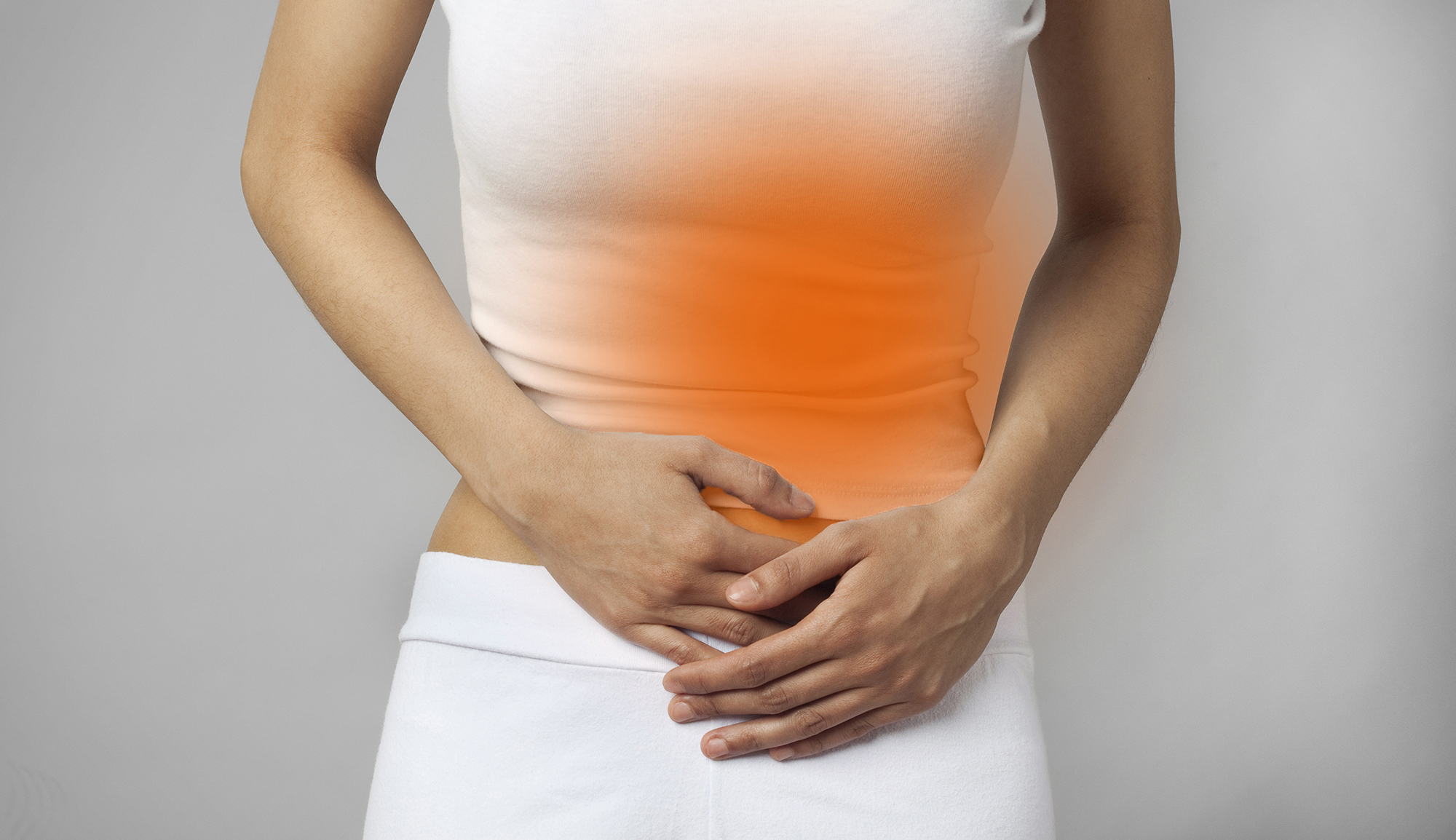
The right digestion provides us with energy and nutrients
The correct digestion of food provides us with the necessary energy and countless auxiliary and building materials. So you can eat as healthy as you want, but if your digestion does not work properly, you will not get much benefit from it. Digestion literally means ‘digesting food (food)’. Food is broken down into nutrients that the body can absorb and use. This important process takes 24 to 48 hours, depending on what we eat.
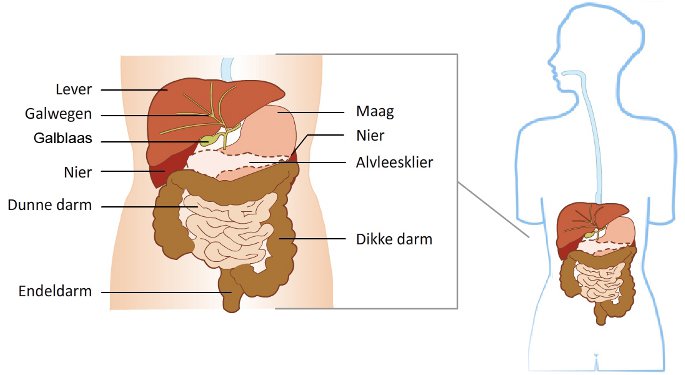
Everything we eat and drink goes through our mouth, esophagus, stomach, small intestine and large intestine to the rectum. The undigested remains of ingested food (faeces or faeces) leave our body through the anus. There are several bodies involved in this process, all of which play an important role and are therefore indispensable.
The mouth as a starting point for digestion
Digestion starts in the mouth. Here the food is chewed and mixed with saliva. The salivary glands start working as soon as you see, smell or taste food. This is where the expression “my mouth is watering” comes from. The enzymes in the saliva start to digest. The food becomes smooth and creamy and, partly due to the tongue, shaped in such a way that it is easy to swallow. Then the tongue pushes the food slurry into the esophagus.
Transport from the mouth to the stomach
The swallowed food enters the esophagus. The esophagus is a straight pipe about 25 centimeters long, which slowly pushes the food towards the stomach. This is done by the muscles in the esophageal wall contracting and relaxing. At the transition from the esophagus to the stomach there is a sphincter that acts as a kind of doorman. It opens to let the food through and then closes again immediately. This is to prevent food and gastric juice from flowing back into the esophagus from the stomach.
The kneading factory
In the stomach, the food is kneaded and mixed with gastric juice. The inside of the stomach is lined with a thick layer of mucous membrane. This protects the stomach from the acidic gastric juice. Gastric juice contains, among other things, hydrochloric acid and enzymes. The enzymes break down the food further. The hydrochloric acid kills pathogenic bacteria in the food. The food remains in the stomach for an average of three hours. With fatty food, the stomach needs more time. The stomach passes on small amounts of food to the small intestine via a sphincter.
The producer of digestive juices
The pancreas, also known as pancreas or abdominal salivary gland, consists mainly of glandular tissue. This is where digestive juices and pancreatic enzymes are made. These enzymes are necessary to further break down fats, sugars and specific proteins. There are also groups of cells in the pancreas, called the islets of Langerhans, that produce the hormone insulin. About one and a half liters of pancreatic fluid is produced to neutralize the hydrochloric acid in the stomach and thus make the environment optimal for the functioning of the pancreatic enzymes.
The 5 to 6 meter recording channel
The small intestine, which is about 5 to 6 meters long, is where the most important part of digestion takes place. The digestive juices and enzymes from the pancreas and gallbladder are added to the food here. The enzymes are needed to break down the food into nutrients, which then enter the blood through the intestinal wall. The wall of the small intestine is folded and has small protrusions (intestinal villi), leaving a lot of room for nutrients to be absorbed into the blood.
The large intestine
The waste, which the previous digestive stations do not know how to deal with, ends up in the large intestine as a watery mass. This mass consists of undigested food residues, waste products and digestive juices secreted by the stomach and small intestine. Rhythmic contractions of the strongly muscled intestinal wall mix the mass well together. Contact with the intestinal wall promotes absorption. Bacteria (the intestinal flora) that live in the large intestine help to process the last remaining food residues. Water and the last useful substances are extracted from our food and absorbed here. The main purpose of the large intestine is to thicken and dispose of the indigestible food remains.
The thickness of the stool is determined by the amount of fluid that is removed from the stool. The stool then ends up in the rectum. This is the last piece of the colon and acts as a parking space for the stool. This gives a signal to the brain when it is full, so that the feeling arises that one has to defecate. The anus is a powerful sphincter muscle that closes off the rectum. Fortunately, because otherwise we would poop everywhere. Only when we sit on the toilet does the anus relax and we say goodbye to the stool.
Inspection via the liver
All nutrients that are absorbed into the bloodstream first pass through the liver. This inspects, filters and makes an initial edit. It converts the nutrients into nutrients or into energy. In addition, the liver produces bile. This bile is drained through bile ducts and the gallbladder to the small intestine. The bile salts ensure that fats in the intestine are divided into fine droplets so that the fat-digesting enzymes do their job better. In the absence of bile, half of the fat in the intestines is not digested and therefore not absorbed. The liver is also responsible for detoxification. It is able to remove foreign substances that are harmful to the body from circulation and render them ineffective.
Proper digestion of food is therefore extremely important. Because several organs are involved in this process, it is sometimes difficult to find out where the cause lies if you experience complaints. For personal advice, you can contact a health professional. You can also find a lot of information on the website of the Maag Lever Darm stichting.